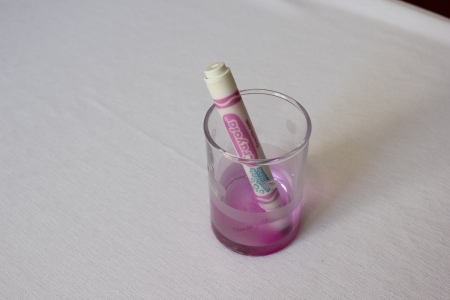
I use Sharpie markers on a daily basis. I don't use it heavy enough that that I have to replace a marker every month. I have used the same mini-marker attached to my lanyard for the last 4 years.
To be honest, the low replacement rate is probably because my workplace does supply markers, and I do make an effort to look for and use them before my trusty lanyard min-Sharpie.
I remember once I didn't re-cap it properly. Not only was it a huge drama for the mess it made inside my handbag and its contents, but it was also a well-defined dry period for my marker.
I was excited to learn that acetone, the same stuff as nail polish remover, revives Sharpie markers! And BIC permanent markers.
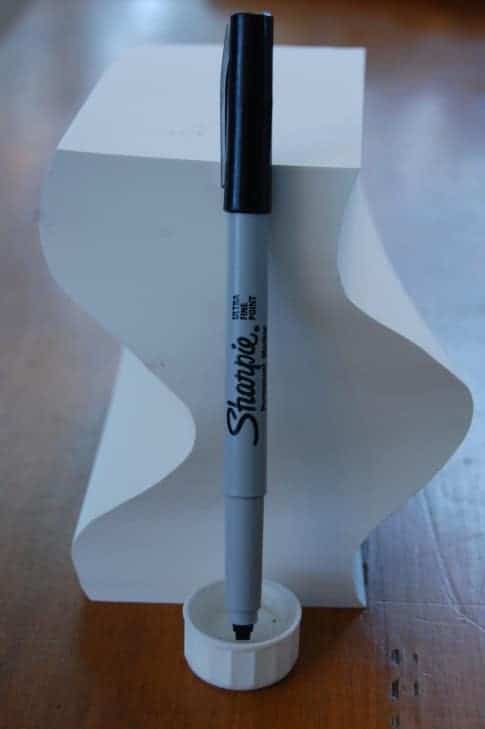
The tip gets diluted and white, so you have to wait a few hours for the pigment to diffuse back to the tip. I am able to use the marker the next day.
If you want immediate use, you could try
-laying the marker on its side and waiting a few hours
-shaking it
-placing it in warm water to hasten the diffusion process (yay for those chemistry lessons after all!)
There is the noticeable smell of acetone when you use the marker.
Different fancy markers have different solvents. For example, Copic / Prisma uses alcohol. Others use more toxic substances. Be careful while experimenting with solvents- they can be dangerous. One marker reviver commented that the metal body of the marker distorted- that was the indication to him that he was using the wrong solvent.
Showing posts with label marker. Show all posts
Tuesday, November 11, 2014
How to rejuvenate water-based markers
I don't play with markers much. My childhood experience with them was not particularly positive. I love the intense colours achieved, but the markers dried out fast or their nibs got soft and splayed quickly.
I recently acquired a bunch of old markers for charity and wondered how to revive them.
The internet says to soak in water.
I tried putting drops of water on the tip. The marker tips soaked up the water hungrily, but it diluted the ink. With FaberCastell connector pens, this technique diluted the tip so much they couldn't write anymore. I thought I had ruined the markers!
In the end, I tried dropping fountain pen ink, drop by drop onto the marker nib. That worked wonderfully. Again, the tips soaked up the fountain ink hungrily. When used, the resulting colour is bright and intense. No dilution. The markers felt heavier after I was done, so they must have gained something.
I was tempted to use a small needle and syringe like this girl:
I will try diluting the fountain pen ink to get more mileage for each marker.
Subscribe to:
Posts (Atom)